Have more questions?

On Demand Charter
(866) 321-JETS
info@blackjet.com
Welcome to Altitude, a compilation of thoughtfully curated lifestyle stories, news articles, and press releases from trusted partners and industry experts at BlackJet.

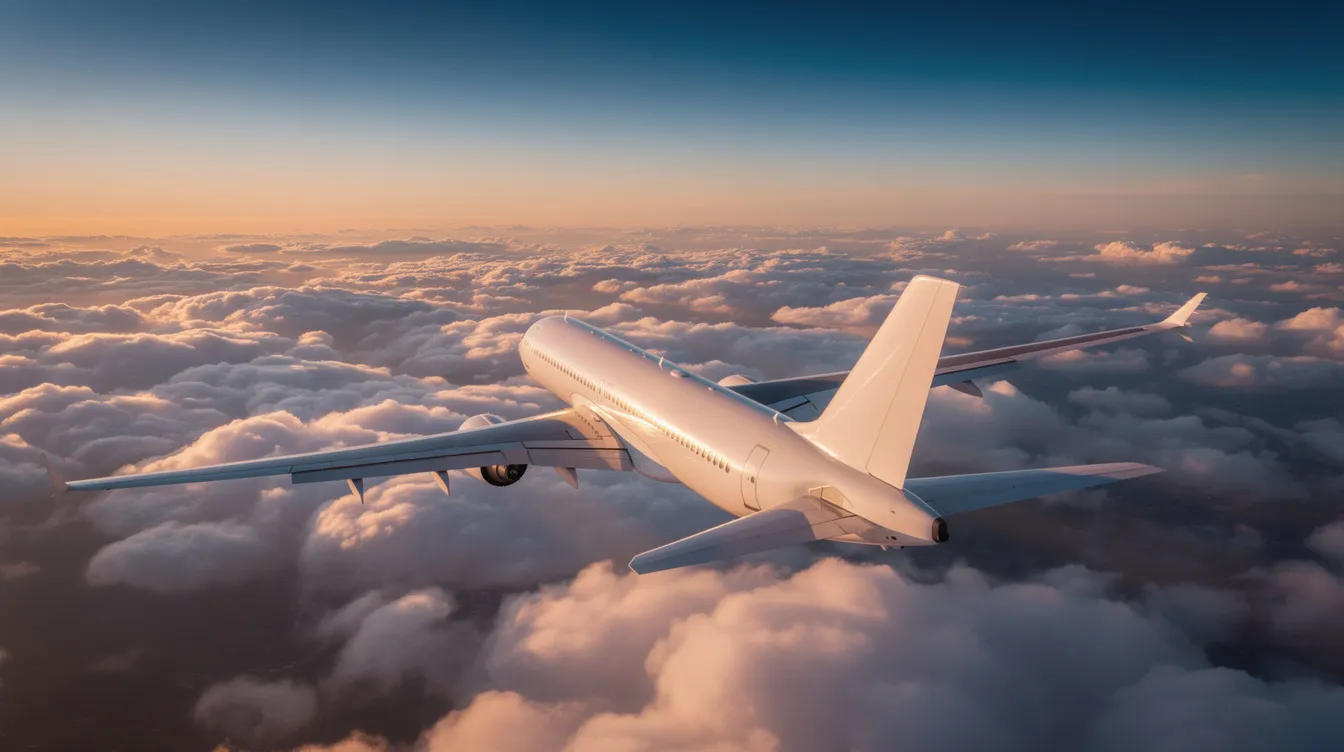
Airplane speeds vary significantly based on type, with commercial airliners typically cruising at 500–600 mph (Mach 0.78–0.85) and private jets often reaching 550–700 mph, benefiting from more direct routes and higher altitudes. While commercial jets have takeoff speeds around 150–180 mph and landing speeds of 130–160 mph, private jets generally take off and land at lower speeds due to their lighter weight. Military aircraft, such as fighter jets, can exceed 1,500 mph, showcasing capabilities far beyond civilian aircraft. Understanding these speed differences highlights the strategic advantages of private aviation, particularly in terms of time savings and convenience.
Continue readingAll

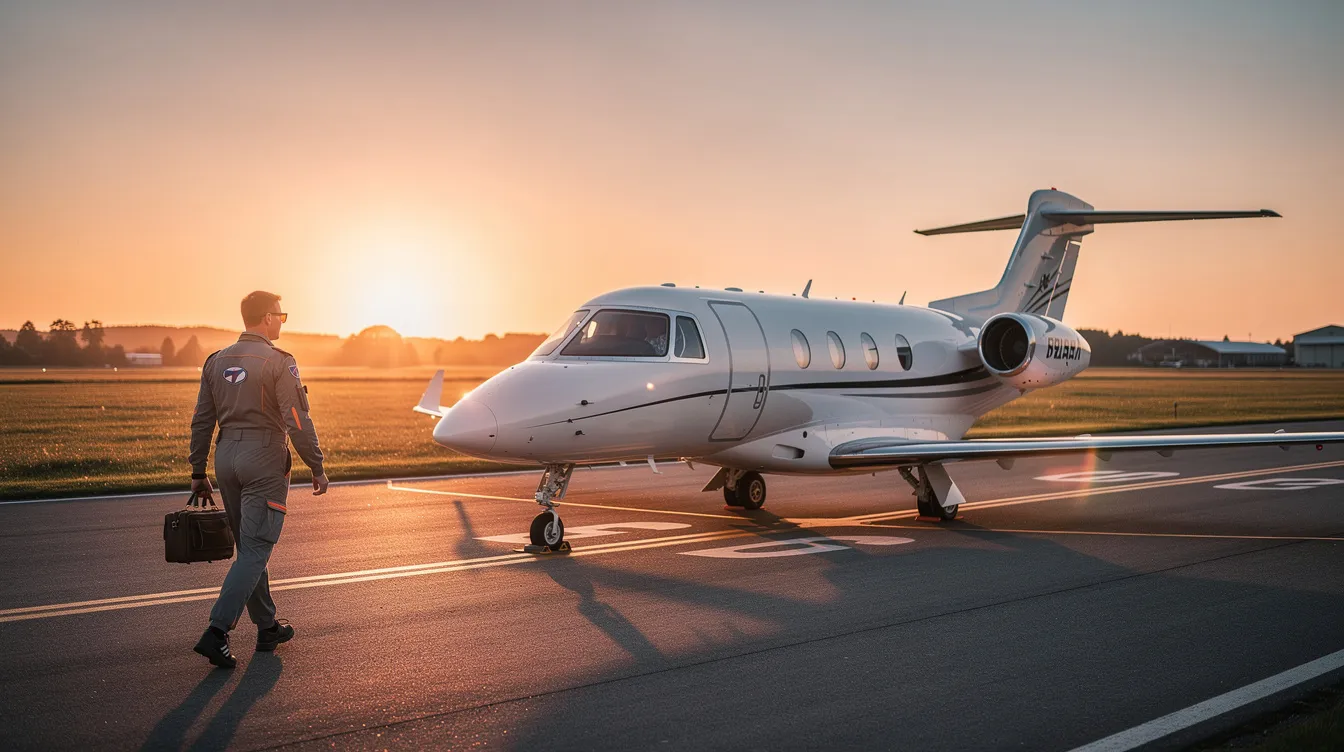
Single-seat jets offer a unique flying experience designed for solo pilots, prioritizing agility and performance but lacking passenger capacity and comfort. While they provide unmatched freedom for aviation enthusiasts, practical considerations often lead travelers to opt for multi-seat jets, which accommodate more passengers and offer advanced safety features. BlackJet's jet card programs present a flexible alternative, granting access to a fleet of professionally crewed very light jets (VLJs) and light jets, ensuring comfort, safety, and carbon-neutral travel without the overhead of ownership. Ultimately, BlackJet enables travelers to enjoy the benefits of private aviation tailored to their needs, whether for solo flights or group journeys.
Continue readingAll

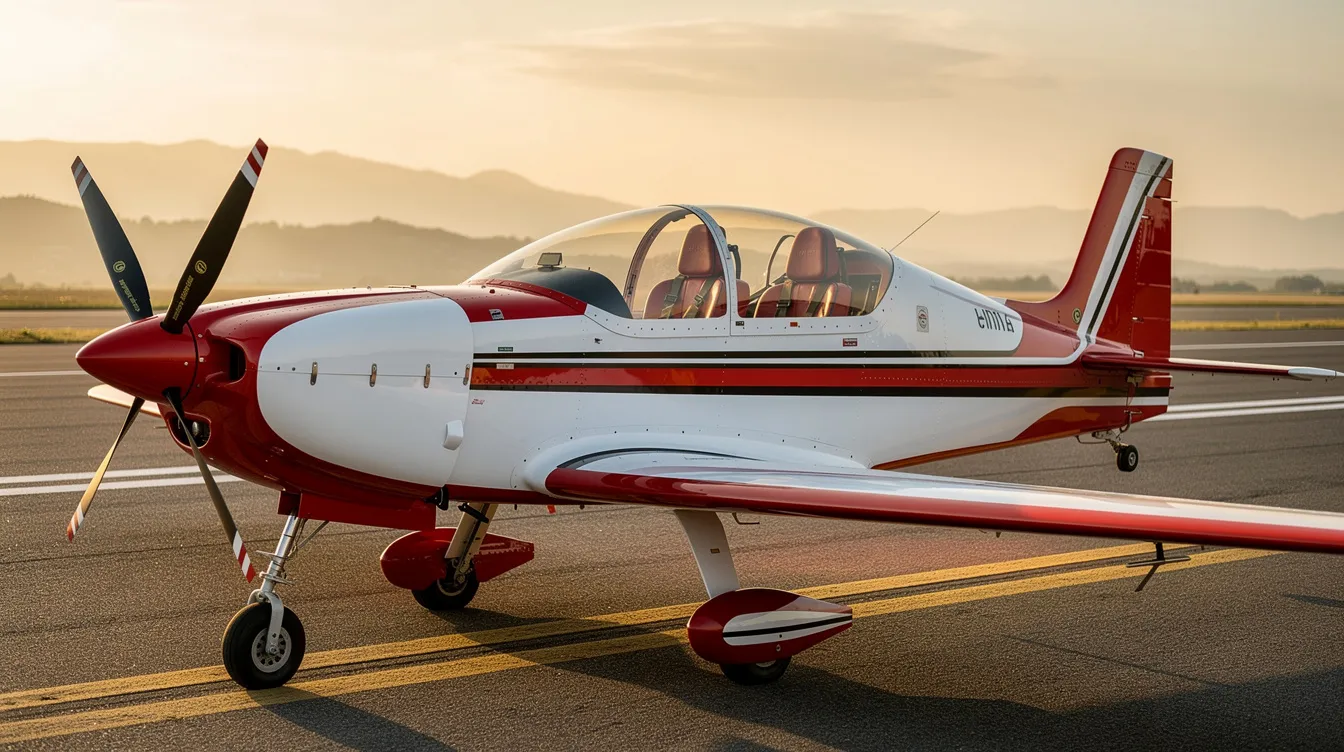
Tandem aircraft, characterized by either a fore-and-aft seating arrangement or a tandem wing design, optimize performance and visibility for specific missions, making them ideal for bush pilots and sport aviators. These configurations offer advantages such as reduced drag, enhanced safety, and compact storage, appealing to those who prioritize precision in travel. For frequent travelers, especially executives, using services like BlackJet provides a curated selection of aircraft that match mission needs without the complexities of ownership. Ultimately, the choice between tandem planes and private jet memberships hinges on individual flying frequency, mission requirements, and comfort preferences.
Continue readingAll

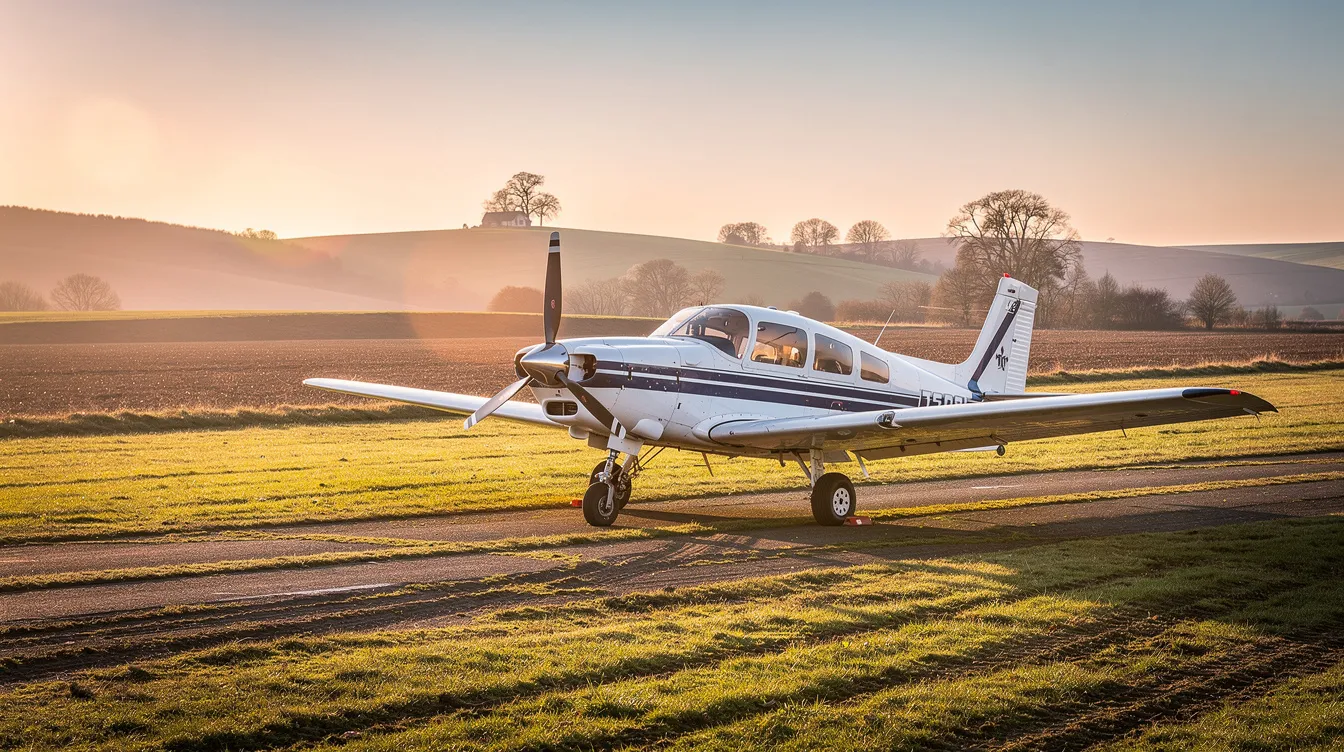
This guide highlights the strategic advantages of single-engine planes for private jet travelers, particularly high-net-worth individuals and corporate clients. Once seen as basic training aircraft, modern single-engine turboprops now offer efficiency, cost savings, and access to smaller airports, making them ideal for regional business travel. BlackJet provides access to vetted single-engine aircraft, emphasizing safety, advanced technology, and lower operational costs compared to light jets. By understanding the benefits and use cases of single-engine planes, travelers can optimize their aviation choices for both productivity and budget.
Continue readingAll

The guide outlines the best high-useful-load single-engine planes for 2025–2026, emphasizing that useful load—defined as maximum takeoff weight minus empty weight—is crucial for determining an aircraft's capability to carry passengers, baggage, and fuel. Key models include the Cessna 206, Piper PA-32, Beechcraft Bonanza, Cessna 182, and Diamond DA50 RG, each suited for specific missions such as family trips or backcountry flying. While single-engine planes are ideal for owner-pilots flying under 1,000 nautical miles, frequent business travelers may find greater value in private jet access through services like BlackJet, which offers faster travel and reduced operational burdens. Ultimately, the choice between owning a single-engine aircraft and utilizing a jet card depends on individual travel needs, frequency, and the importance of time and comfort.
Continue readingAll

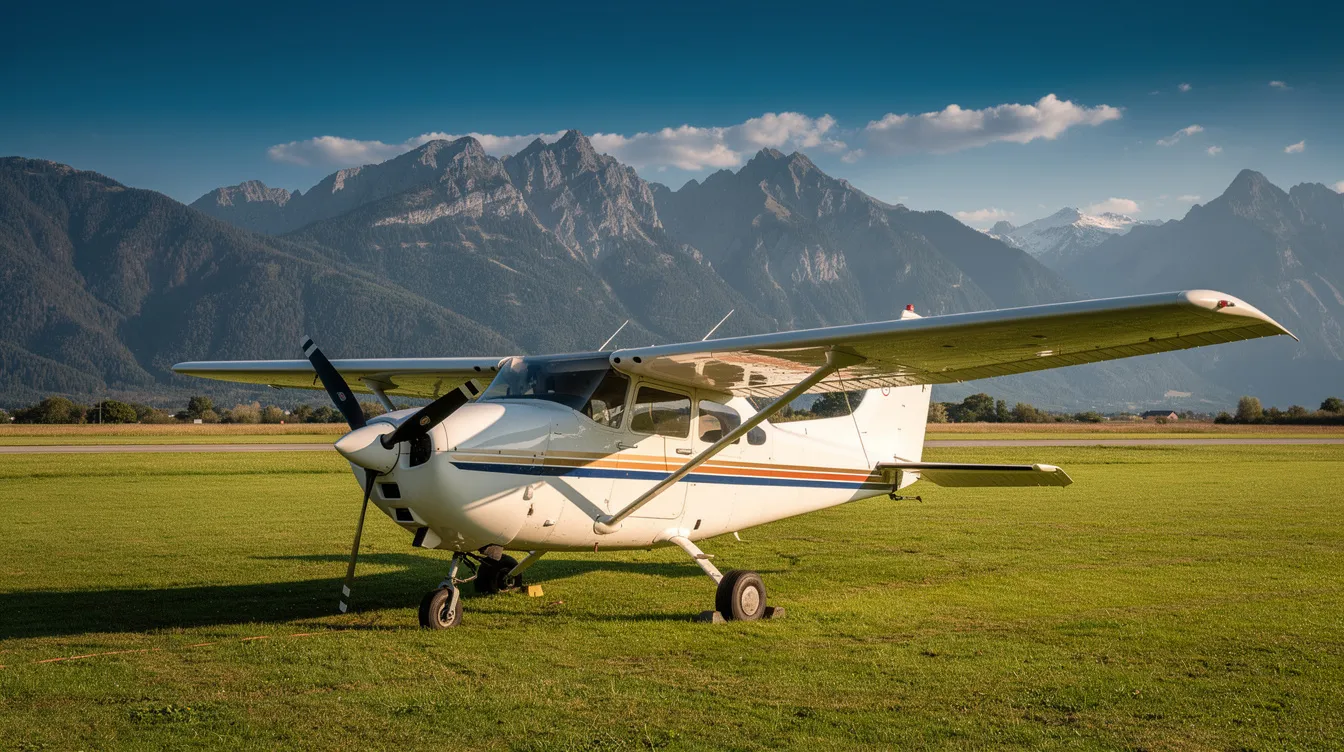
Single-engine planes have been essential in aviation, offering cost-effective options for short to medium-distance travel and serving as a foundation for modern aviation technologies. While they are ideal for recreational flying and training, their limitations in speed, range, and comfort make them less suitable for longer business trips compared to private jets. BlackJet's jet card programs provide a strategic alternative, offering access to multi-engine jets with professional crews, enhanced safety features, and carbon-neutral flights without the burdens of ownership. For pilots flying fewer hours annually or needing greater comfort and efficiency, a hybrid approach of owning a single-engine plane while utilizing BlackJet for longer trips can optimize both cost and convenience.
Continue readingAll

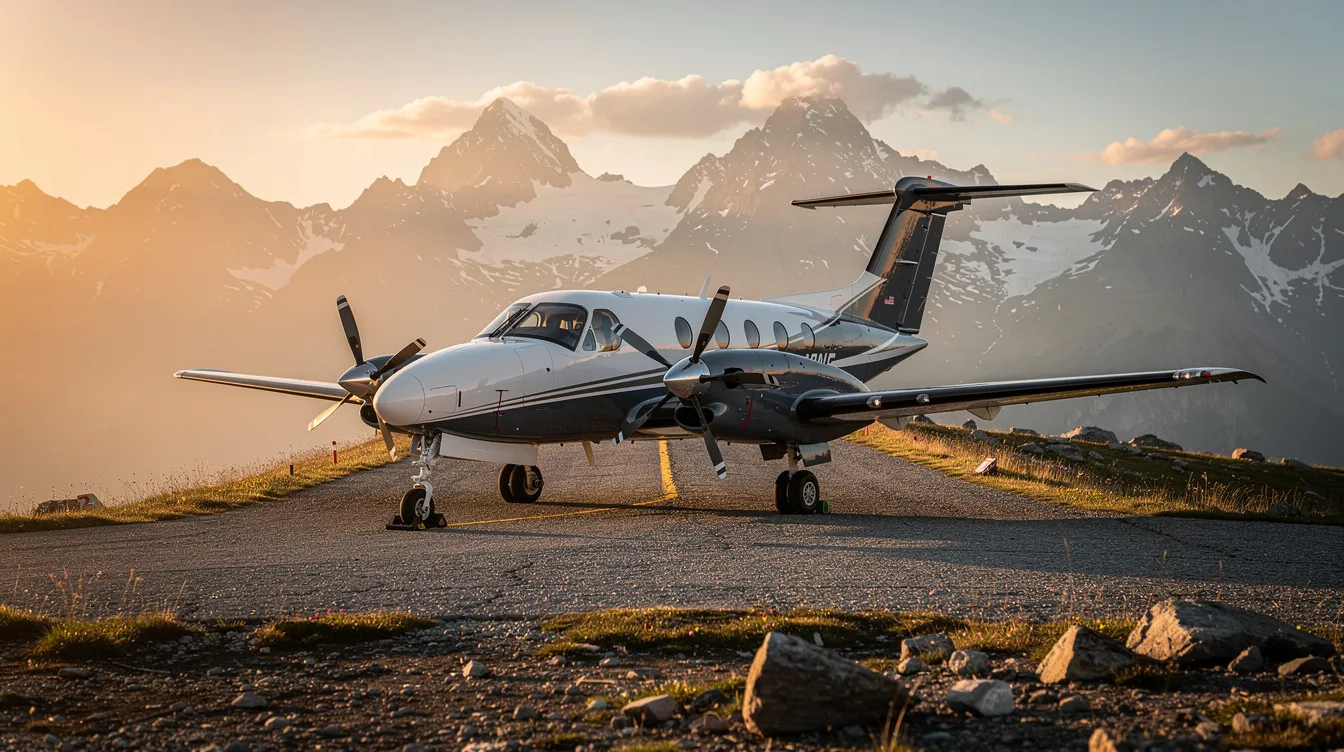
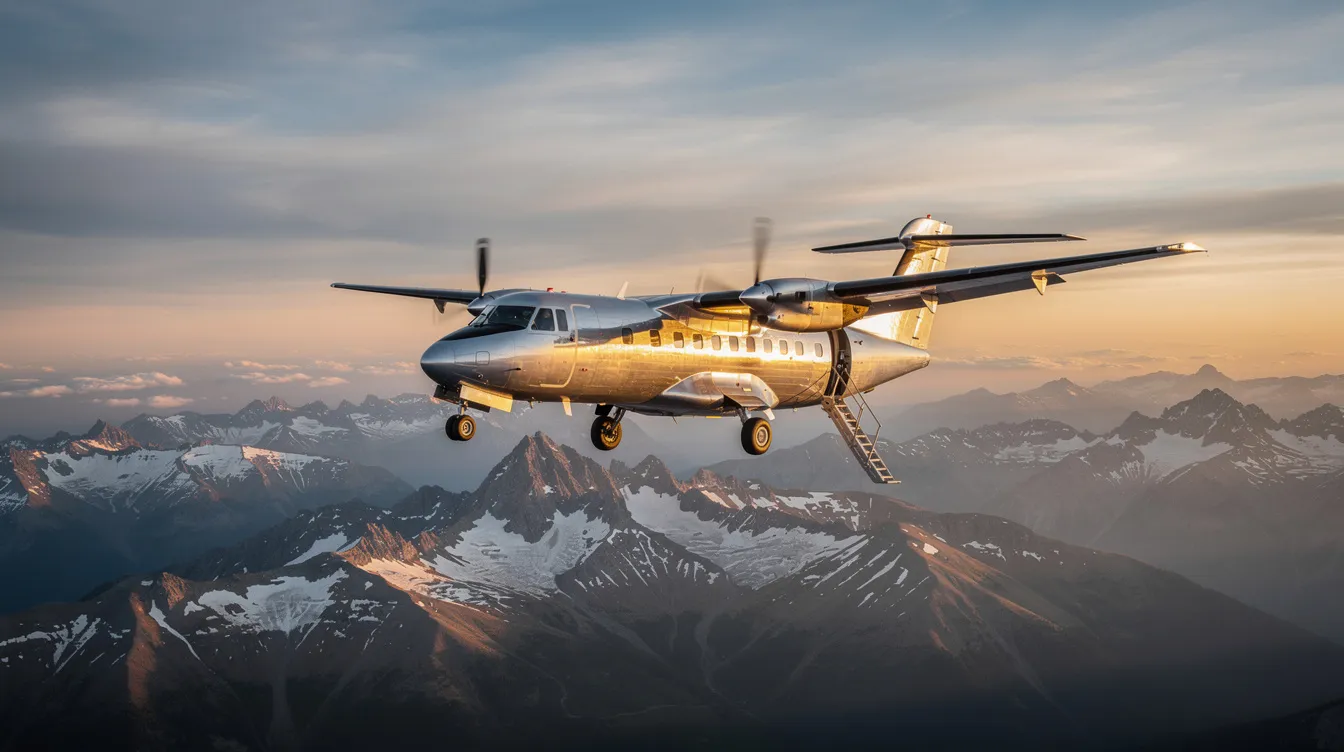
Single-engine turboprop aircraft, such as the Pilatus PC-12 NGX and Daher TBM 960, offer high-performance, fuel-efficient options for private travel, particularly for regional missions under 1,200 nautical miles. These aircraft provide significant cost savings, with hourly rates 20 to 40 percent lower than light jets, while also accessing smaller airports that jets cannot reach. Their advanced technology and safety features, including the reliable Pratt & Whitney PT6 engine, enhance operational reliability and passenger confidence. BlackJet's jet card program curates these turboprops, ensuring members benefit from efficient, carbon-neutral flights tailored to their travel needs.
Continue readingAll

Ultra-long-range private jets are becoming strategic business tools for executives and ultra-high-net-worth individuals seeking to reclaim time and improve performance across global operations. This article explores how aircraft like the Gulfstream G700 reduce travel friction through higher speeds, extended range, lower cabin altitude, advanced air purification, and circadian lighting systems. It examines how compressed travel schedules can improve executive productivity, reduce fatigue, and enable faster capital deployment decisions while highlighting the growing shift from viewing aviation as luxury to treating it as operational infrastructure.
Continue readingAll

Private aviation prioritizes something commercial airlines rarely can: a quiet cabin designed for work, recovery, and uninterrupted conversation. This article explores how manufacturers reduce cabin noise through insulation, engine placement, airflow optimization, and vibration dampening. It examines the acoustic performance of the Dassault Falcon 8X, Gulfstream G700, and Bombardier Global 7500, explains key cabin noise metrics like dBA and dBSIL, and outlines why many operators and family offices choose fractional ownership or leasing over full aircraft ownership to access premium cabin environments more efficiently.
Continue readingAll