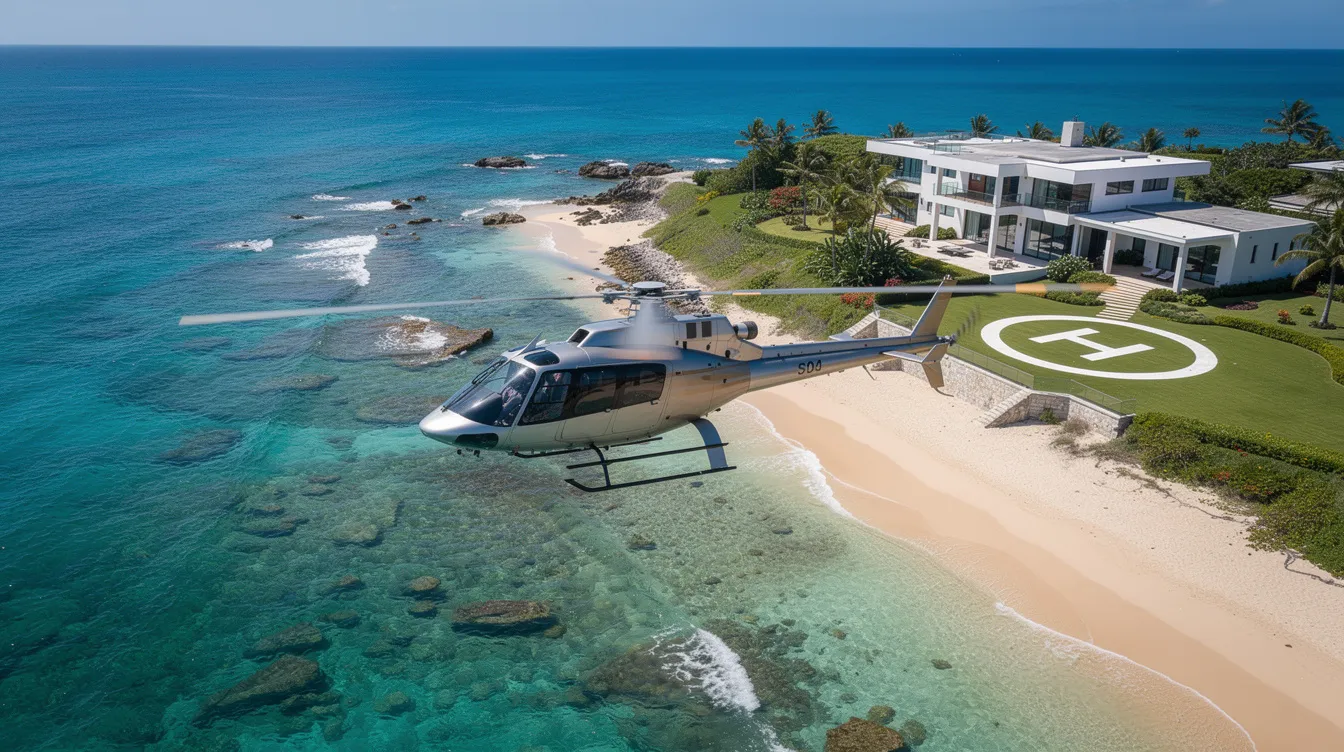
For discerning travelers who already fly privately, a small helicopter is more than a novelty—it is a rotorcraft ranging from ultralight single-seat machines to light helicopters carrying two to five passengers, designed to land closer to your final destination than a fixed-wing aircraft can. For executives, high-net-worth leisure travelers, and aviation enthusiasts who value speed, privacy, and flexibility, that means turning the long airport-to-resort, office, estate, or yacht transfer into a direct last-mile connection.
This guide looks at the main categories of small helicopters, where they fit into private travel, typical flight times and use cases, buying and access options, operating costs, and the safety and certification standards that matter. It also explains how BlackJet’s premium private jet card service pairs helicopter transfers with its jet card service to create a more seamless private travel experience, especially when convenience, time savings, and access to remote or hard-to-reach locations are the real priority.
Strategic Advantages of Small Helicopters for BlackJet Clients
Private jets deliver speed across hundreds or thousands of miles, but they still depend on runways. The final 20 to 60 miles-from airport to estate, resort, or marina-can consume more time than the flight itself. A small helicopter eliminates that gap entirely, making vertical takeoff and landing a major advantage that turns any flat surface into your arrival point.
Consider the numbers. A Manhattan-to-Hamptons journey by car during peak season takes three to five hours. A BlackJet jet card flight to a regional airport followed by a helicopter transfer cuts door-to-door time to roughly 35 to 60 minutes. Small helicopters offer dramatic time savings over road traffic, and they provide unparalleled point-to-point travel flexibility that ground vehicles simply cannot match. They can access remote locations that cars and airplanes cannot reach-private islands, mountain lodges, waterfront properties with no paved road for miles.
Typical flight time segments for these short hops run 15 to 45 minutes, integrating seamlessly into a larger BlackJet itinerary. We coordinate vetted helicopter partners, carbon-neutral offsets, and safety-audited operators as a natural extension of our jet card service. Helicopters offer time savings by bypassing traffic congestion, and that reclaimed time is precisely the asset our clients value most.
What Counts as a Small Helicopter? From Ultralight to Light Utility
In practical terms, "small helicopter" spans three broad categories. At the lightest end sit ultralight rotorcraft-single-seat machines governed by FAR Part 103, weighing under 254 pounds empty and restricted to recreational use. Next come experimental amateur-built two-seaters, which are more capable but require registration and pilot certification. At the top of the category sit certified light helicopters such as the Robinson R22, Robinson R44, and Airbus H125, carrying two to five passengers with cruise speeds of 100 to 130 knots and ranges of 200 to 350 nautical miles.
Helicopters are generally more mechanically complex than fixed-wing aircraft, and smaller models sacrifice baggage space, cabin comfort, and noise insulation compared with larger VIP rotorcraft. Landing restrictions often limit where helicopters can operate due to noise complaints and local zoning, and limited range and payload restrict most personal helicopters to short hops. Helicopters can land on flat, prepared or unprepared surfaces, but local regulations always apply. BlackJet does not place clients in homebuilt or unlicensed ultralights-yet many clients ask about them, so understanding the landscape matters, just as understanding50-hourr jet card pricing and value is essential before committing to a specific fixed-wing access model.
Ultralight & Experimental Small Helicopters Explained
For hobbyists and aviation enthusiasts who also fly privately, ultralight helicopters represent pure fun in its most elemental form. Under FAR Part 103, the FAA sets strict limits: ultralight helicopters must weigh under 254 pounds empty, carry no more than 5 US gallons of fuel, and are limited to a maximum speed of 55 knots. Only a single occupant is permitted. FAR Part 103 allows ultralight flight without a pilot's license, and no aircraft registration is required, though training is strongly recommended before flying ultralight helicopters, as pilots require more intensive training for helicopters than for fixed-wing aircraft.
Step beyond any single Part 103 parameter-add a second seat, exceed the weight, carry more fuel-and the aircraft enters experimental or certified territory. Experimental helicopters require FAA registration and airworthiness certification, and pilots of experimental helicopters must hold a pilot's certificate. Two-seat helicopters likewise require a pilot's certificate to fly.
Popular models like the Mosquito series fit squarely into these experimental and ultralight categories, attracting a growing community of builders and flyers who often cross-shop cheap light aircraft for budget flying adventures when they want fixed-wing capability as well. Modern small helicopters offer improved safety features compared with earlier designs, and they provide unique aerial views for sightseeing and recreation. Small helicopters are sensitive to poor weather conditions, however, so flight planning demands extra vigilance. The distinction between hobby flying and BlackJet's professional operation is absolute: we operate only certified aircraft with credentialed pilots for every client transfer.
Real-World Example: Composite-FX Mosquito & Similar Small Helicopters
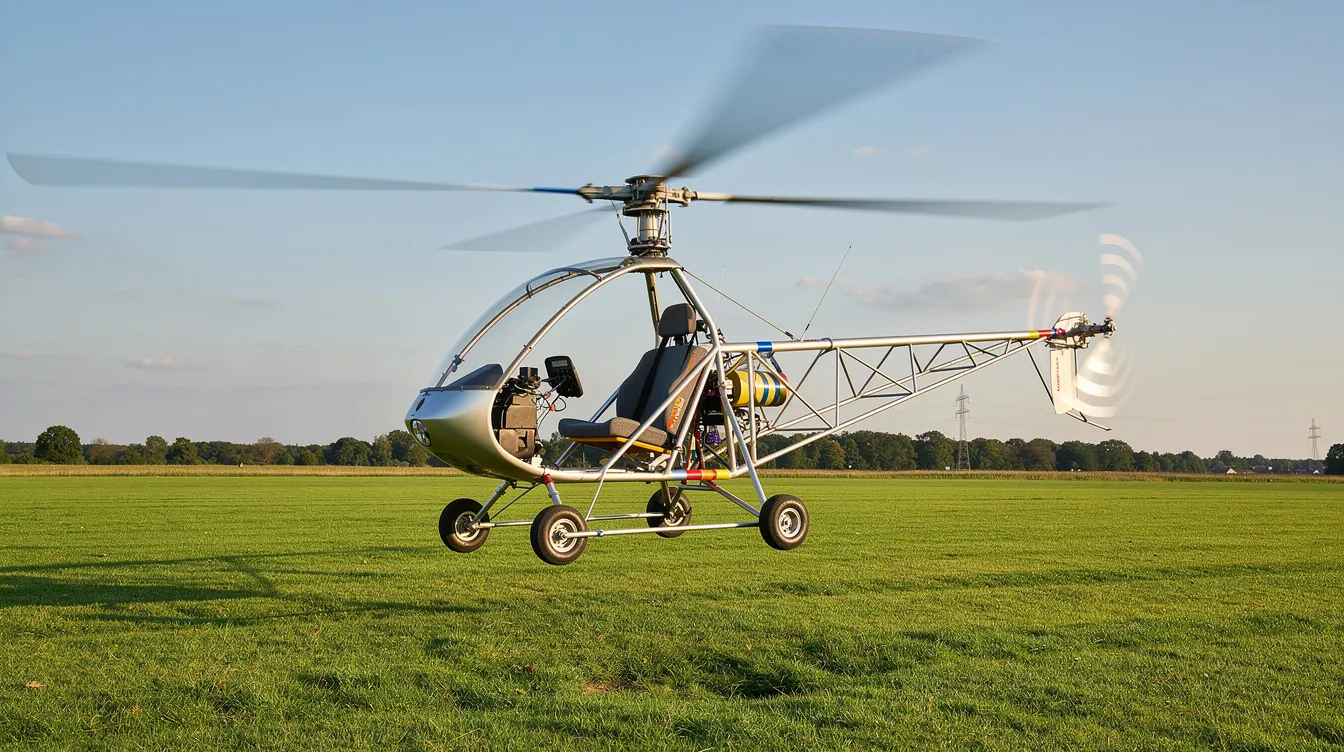
Composite FX stands as a leading manufacturer of single-seat experimental and ultralight helicopters, best known for the Mosquito XE series. The factory is found at 9069 SE CR 319 in Trenton, Florida, with the associated 6FL8 airstrip about four miles west, illustrating the real ecosystem that grows around small helicopter production.
Core Mosquito features include single-seat configuration, piston or small turbine engine options, and both open-frame and enclosed-cabin variants emphasizing simplicity and low weight. The Mosquito XEL has an empty weight of around 312 pounds, placing it outside Part 103 and into the experimental category, while the Mosquito XE can carry more fuel than ultralight models, extending its practical range. Mosquito XE kit pricing starts at around $53,000, and the earlier Mosquito Air kit was available for around $20,000. Visually, think slender tail boom, bubble canopy on enclosed versions, and an exposed frame on open models-a machine that looks as mechanical as it feels in flight.
Several small helicopter models are popular for personal use in 2026 beyond the Mosquito line, paralleling the growth of the cheapest private aircraft options on the fixed-wing side of personal aviation. The Mirocopter SCH-2A weighs 249 pounds empty and costs around $35,000 to $38,000, sitting comfortably within Part 103 limits. The Helicycle, powered by a Solar T62 turbine engine-one of the few turbine engines found in the personal rotorcraft space-adds another option for enthusiasts who want turbine reliability in a compact airframe. Visit each manufacturer's website for current configurations and availability.
Ready-to-Fly vs Kit-Built Small Helicopters
Two acquisition paths exist for small helicopters: buy a ready-to-fly machine or build one from a kit.
Ready to fly means factory-assembled, test flown, and delivered with documentation. Higher upfront cost, but immediate usability and minimal risk of build error.
Kit-built means the owner assembles major components, logging build hours and inspections. Lower cash outlay, but the work demands time, tools, and mechanical competence. Helicycle kit pricing ranges from $65,000 to $67,000, for example.
Even kit-built experimental aircraft still require FAA registration, an airworthiness certificate, and a pilot's license-strict adherence is required, with no margin for error on compliance. For the BlackJet clientele, this distinction is largely academic: even clients who personally own and build a kit helicopter for weekend recreation typically rely on professionally operated and maintained aircraft for the transfers we arrange. The kit path suits dedicated hobbyists; the professionally managed path suits time-constrained executives who want to sign off on logistics, not wrench on rotor heads, often turning instead to affordable private plane options when they want fixed-wing capability alongside helicopter access.
Flight Time, Range, and Use Cases for Small Helicopters
Endurance varies sharply by type. Ultralight and experimental helicopters typically offer 45 to 90 minutes of flight time, while certified light helicopters like the Robinson R44 or Airbus H125 deliver two to three hours with reserves and a practical range of 200 to 300 nautical miles—comparable in mission focus to many of the best small private aircraft used for regional fixed-wing travel.
Concrete scenarios worth watching for:
25-minute hop: regional airport to a ski lodge in the Rockies, directly to the property helipad after your jet touches down.
40-minute transfer: Manhattan to a coastal villa in the Hamptons, cutting a three-to-five-hour drive to under an hour door-to-door.
Property inspection: short 10- to 15-minute segments along a coastline, surveying a yacht or waterfront estate from above.
BlackJet's team plans each segment with precision: fuel reserves, weather checks, daylight constraints, and turnaround time between jet arrival and helicopter departure. Comfort considerations include noise-cancelling headsets, ergonomic seating, and realistic baggage limits-an R44 accommodates three passengers plus pilot, but payload with full fuel is roughly 600 to 800 pounds. Every hour in the air is planned; nothing is left to chance.
Costs of Small Helicopters: Ownership vs On-Demand Access
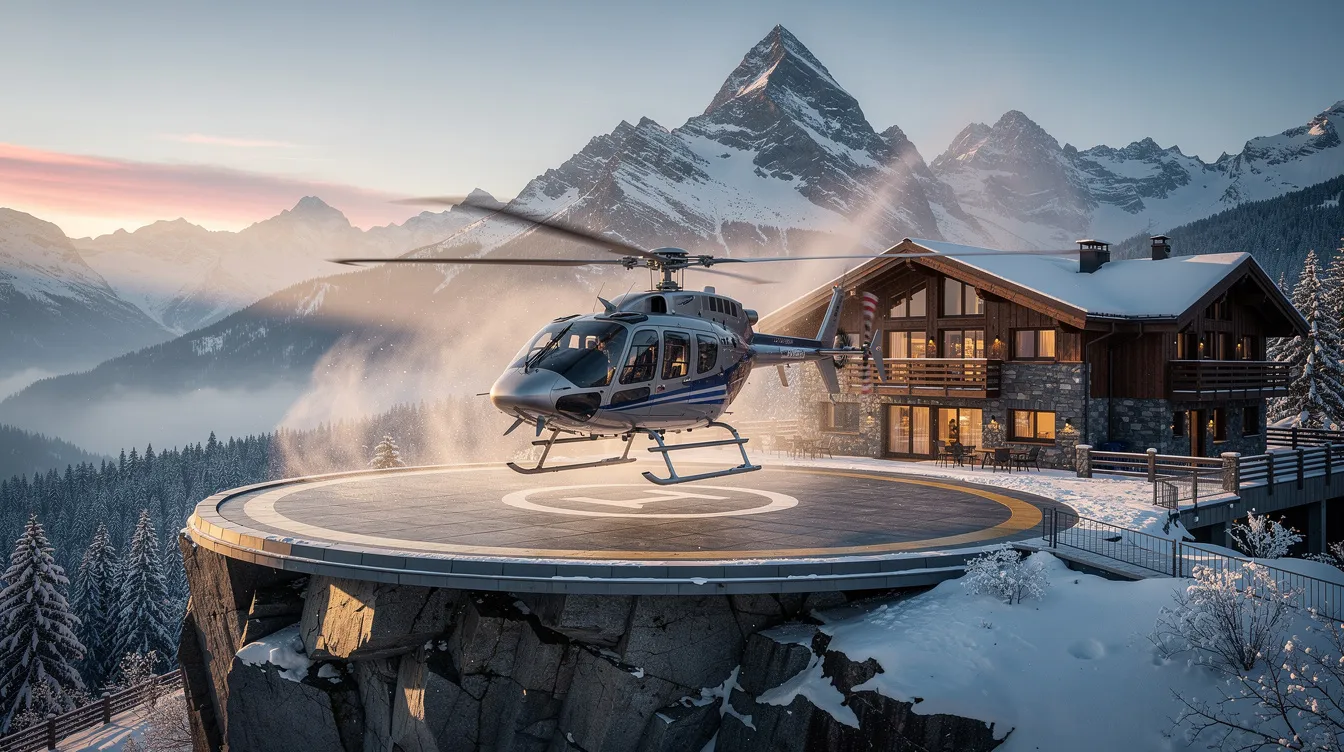
Acquisition cost is only the starting line. Ownership of small helicopters involves significant expenses that add up each year you hold the asset, much like evaluating the cheapest private jet options requires looking beyond sticker price to long-term operating costs.
Cost Component | Ultralight / Experimental | Certified Light (e.g., R44) |
|---|
Purchase price | $20,000–$80,000 | $298,000–$500,000+ |
Hourly operating cost | Lower (fuel, minimal parts) | $300–$450 per hour |
Annual fixed costs | A few thousand dollars in maintenance | $50,000–$100,000+ |
Overhaul reserves | Varies by engine type | Engine overhaul every ~2,200 hours |
Cheapest ultralight helicopters cost between $20,000 and $80,000, depending on options. High operating costs include routine inspections and insurance, and maintenance schedules for helicopters are strict due to high mechanical loads. Helicopters require strict, frequent maintenance for reliability regardless of how few hours they fly, much like cheap light aircraft used for budget flying on the fixed-wing side of general aviation.
Compare this with the economics of on-demand access coordinated through BlackJet: pay only when you fly, no capital lock-up, no maintenance liability. Our jet card model lets you pre-purchase hours on private jets and complement them with ad-hoc helicopter transfers, preserving liquidity and flexibility across every country you travel through while keeping a clear view of jet card cost per hour as part of your overall travel budget.
Safety, Certification, and How BlackJet Curates Helicopter Partners
While FAR Part 103 allows anyone to fly an ultralight without a license, BlackJet exclusively uses certified, professionally operated aircraft for client travel. Every helicopter partner must operate under Part 135 in the U.S. or equivalent international frameworks, ensuring pilot certifications, recurrent training, documented maintenance programs, and full insurance coverage, just as our fixed-wing partners optimize cruise altitudes based on the same principles explained when comparing how high private jets typically fly versus commercial airliners.
The regulatory rigor separating certified light helicopters from experimental and ultralight craft exists for a reason: passenger safety. We review incident and maintenance histories, verify pilot flight-hour minimums, and prefer operators with established recurrent-check programs. Modern avionics-terrain awareness, weather sensors-add layers of protection. Our carbon-neutral commitment through verified offset programs ensures that sustainability never takes a back seat to convenience, and our real-time flight support tools let us monitor every operation from departure to arrival.
Integrating Small Helicopters into Your BlackJet Travel Strategy
Think of a small helicopter as the "vertical limo" paired with your jet card hours, which are structured and priced according to comprehensive jet card cost guidelines. Your BlackJet advisor selects the appropriate helicopter size and category, confirms helipad or private-property access, and coordinates timing with your jet arrival. Our digital tools-including our concierge bot-handle contingencies like weather deviations or slot changes in real time, while your underlying jet card pricing structure ensures predictable costs across those itineraries.
Sample itinerary: a BlackJet jet card member departs Teterboro for Nantucket by light jet, a routing with economics similar to those outlined in our guide to chartering a small private plane. Upon arrival, a certified helicopter waits to reach a nearby island estate within 15 minutes. Seamless, carbon-neutral, fully managed.
Frequently Asked Questions (FAQ) About Small Helicopters
Can I fly an ultralight helicopter without a pilot’s license?
Yes. In the United States, ultralight helicopters that comply with FAR Part 103—single-seat, under 254 pounds empty, max speed 55 knots, and limited fuel—do not require a pilot’s license or aircraft registration. However, proper training is strongly recommended for safety.
What is the typical cost to own a small helicopter?
Ownership costs vary widely. Ultralight helicopters range from $20,000 to $80,000 upfront, with annual maintenance costs of a few thousand dollars. Certified light helicopters like the Robinson R44 can cost $300–$450 per hour to operate, plus $50,000 or more annually in fixed costs and maintenance—figures that invite comparison with the cheapest private aircraft options on the fixed-wing side.
How do small helicopters complement private jet travel?
Small helicopters provide last-mile connectivity, enabling direct transfers from regional airports to remote estates, resorts, or yachts. They save significant time over ground transport and integrate seamlessly with BlackJet’s jet card services—structured according to clear jet card pricing models and the same charter fundamentals explained in our guide to small plane charter costs—for a fully managed, carbon-neutral travel experience.
Are kit-built helicopters safe to fly?
When properly assembled, maintained, and flown by certified pilots, kit-built experimental helicopters can be safe. They require FAA registration, airworthiness certification, and pilot licensing—similar diligence to what’s required for budget-friendly light aircraft ownership on the fixed-wing side. BlackJet clients rely exclusively on professionally operated and certified aircraft for transfers, and some also explore premium private jets for sale when they want a long-term ownership solution.
What safety standards do BlackJet’s helicopter partners meet?
BlackJet partners operate under Part 135 or equivalent international regulations, ensuring rigorous pilot certification, recurrent training, maintenance documentation, and insurance coverage—standards comparable to those evaluated when reviewing NetJets jet card program costs and offerings. Advanced avionics and safety protocols further enhance passenger security.
Can small helicopters land anywhere?
While helicopters can land on flat, prepared or unprepared surfaces, local noise restrictions and zoning laws often limit landing sites. BlackJet coordinates with vetted operators to ensure legal and convenient access at your destination.
How does BlackJet ensure sustainability in helicopter travel?
BlackJet offsets carbon emissions from helicopter transfers through verified programs, making every flight carbon neutral at no extra cost, aligning luxury travel with environmental responsibility and mirroring the sustainability focus discussed when exploring the cheapest private jet options for eco-conscious travelers.
Conclusion: Elevate Your Travel Experience with Small Helicopters and BlackJet
Small helicopters transform private travel by bridging the crucial last mile with unmatched speed, flexibility, and access. For BlackJet clients, integrating certified, professionally operated helicopters into your itinerary means bypassing ground congestion, reaching remote destinations, and enjoying seamless transfers that complement your jet card benefits.
By choosing BlackJet, you gain not only premier access to private jets through the BlackJet 25+ Hour Jet Card but also a curated network of helicopter partners who meet the highest safety and sustainability standards. This combination elevates your travel from simply luxurious to strategically efficient—saving you valuable time while maintaining uncompromising comfort and environmental responsibility.
Discover how small helicopters can redefine your journey. Join BlackJet to unlock effortless, carbon-neutral private aviation tailored precisely to your lifestyle and itinerary, whether you’re considering a100-hourr jet card cost scenario or a more modest annual flying profile.


 Sign up with google
 Sign up with Apple